
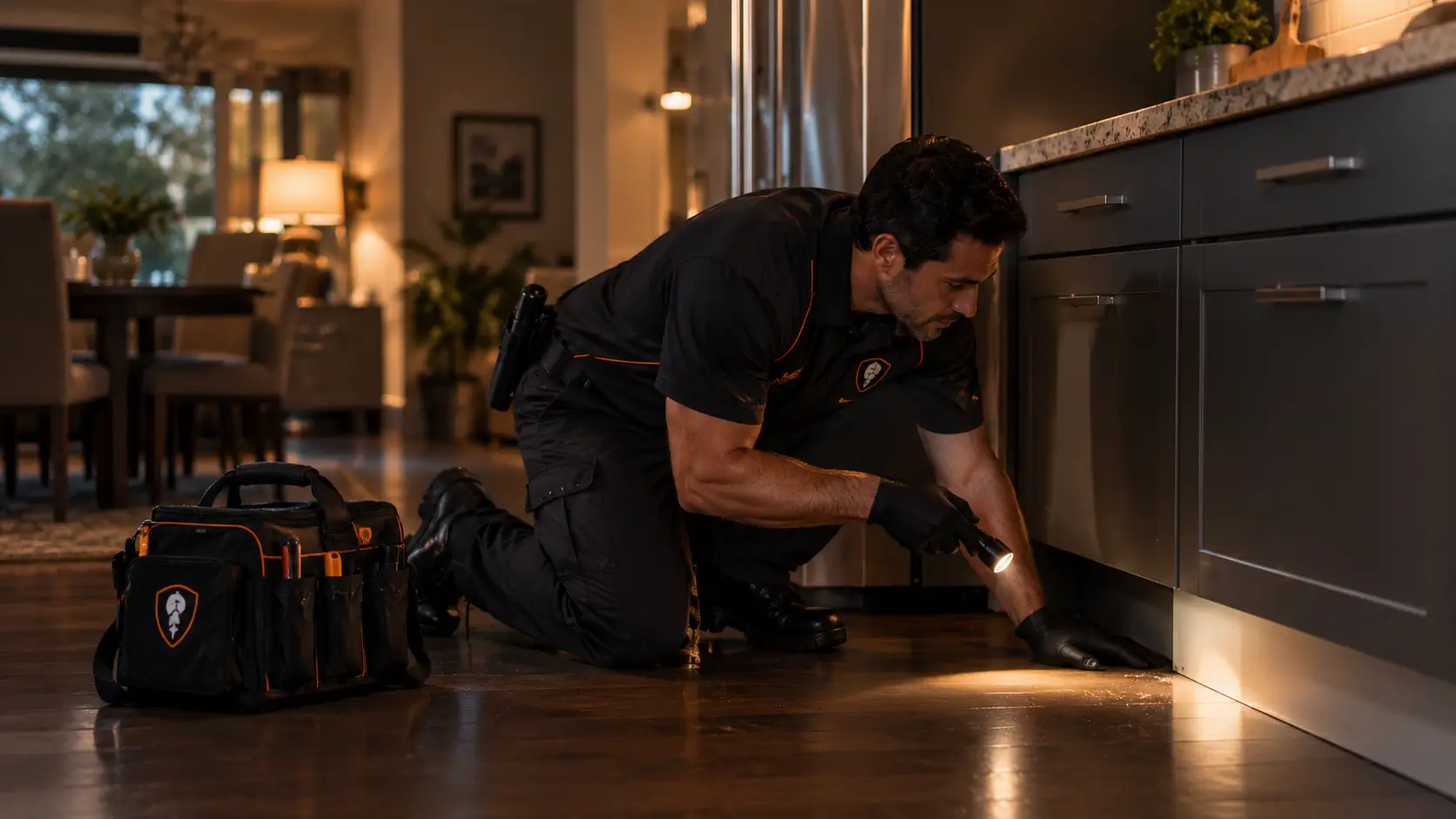
Why a Professional Inspection Matters
Every effective rodent control program begins with a thorough inspection. Without understanding exactly where rodents are entering, where they're nesting, what species is involved, and the extent of the activity, any treatment plan is based on guesswork - and guesswork rarely produces lasting results.
A professional rodent inspection provides the factual foundation for every decision that follows: which treatment methods to use, where to focus removal efforts, which entry points to prioritize for exclusion, and what environmental conditions to address for long-term prevention.
Many homeowners contact us after spending weeks or months attempting to resolve a rodent problem on their own. In most cases, the issue isn't that they were using the wrong traps or the wrong bait - it's that they were working without the complete picture that an inspection provides.
What We Look For
Our inspection covers both the interior and exterior of the property, examining every accessible area for evidence of rodent activity and structural vulnerability.
Interior Inspection
- Attic examination - We inspect the full attic space for droppings, nesting material, gnaw damage, insulation disturbance, and grease marks along rafters and beams that indicate established travel routes.
- Crawl space assessment - We examine the crawl space for burrow activity (indicating Norway rats), damage to vapor barriers and insulation, droppings, and ground-level entry points.
- Kitchen and food storage areas - We check cabinets, pantries, under appliances, and around plumbing penetrations for droppings, gnaw marks, and evidence of food access.
- Garage evaluation - We inspect the garage for entry points around the door, walls, and ceiling, and check for droppings, nesting, and stored items that may be providing harborage.
- Wall void activity - We listen for sounds and look for evidence of travel within wall cavities, including grease marks at entry and exit points.
Exterior Inspection
- Roofline assessment - We examine the entire roofline for gaps between the roof deck and fascia, damaged soffit panels, and compromised vent screens that roof rats use for access.
- Foundation perimeter - We check the full foundation for cracks, gaps, utility penetrations, and evidence of burrowing activity near the base of the structure.
- Utility penetrations - We identify every point where pipes, wires, cables, or ducts pass through exterior walls, checking each for adequate sealing.
- Vegetation and landscaping - We assess landscaping for conditions that create rodent harborage: dense ground cover, overhanging branches, ivy growing on walls, fruit trees, and compost areas.
- Drainage and moisture - We note any moisture issues that could be providing water sources for rodents.
Determining the Scope of Activity
Beyond simply confirming that rodents are present, our inspection determines:
- Species identification - Whether you're dealing with roof rats, Norway rats, house mice, or a combination. Each requires a different approach.
- Activity level - Whether the situation involves recent entry by a small number of animals or an established infestation with an active breeding population.
- Primary and secondary entry points - Distinguishing between the main access routes that rodents are actively using and secondary vulnerabilities that could become active.
- Travel routes - Identifying the paths rodents use to move through the structure, which directly informs placement strategy during removal.
- Damage assessment - Documenting any structural, electrical, insulation, or other damage caused by rodent activity.
- Contributing factors - Identifying environmental conditions - food sources, vegetation, moisture, structural maintenance issues - that are attracting or sustaining the rodent population.
After the Inspection: Next Steps
Following the inspection, we provide you with a clear explanation of what we found and a recommended course of action. This typically includes:
- Summary of findings - What species is present, where they're entering, where they're nesting, and the approximate level of activity.
- Recommended treatment plan - The specific steps we recommend to address the existing problem, tailored to your property and situation.
- Exclusion recommendations - The entry points that need to be sealed, the materials required, and the priority order for the exclusion work.
- Environmental recommendations - Any changes to landscaping, food sources, or property maintenance that would support long-term prevention.
- Clear pricing - Transparent information about the cost of recommended services so you can make an informed decision.
We believe you should understand the full picture before committing to any service. The inspection is designed to give you that understanding.
When to Schedule an Inspection
Contact us for an inspection if you're experiencing any of the following: scratching or scurrying sounds in walls, ceilings, or attic spaces; rodent droppings in your home or building; gnaw marks on food packaging, wiring, or structural materials; an unexplained musty odor in enclosed spaces; visual sighting of a rat or mouse; or if you simply want to assess your property's vulnerability to rodent entry, even without current signs of activity.
Learn more about what to watch for in our guide to signs of rodent activity.
Ready to find out what's happening in your property?
📞 Call (805) 429-3838 to Book Inspection