
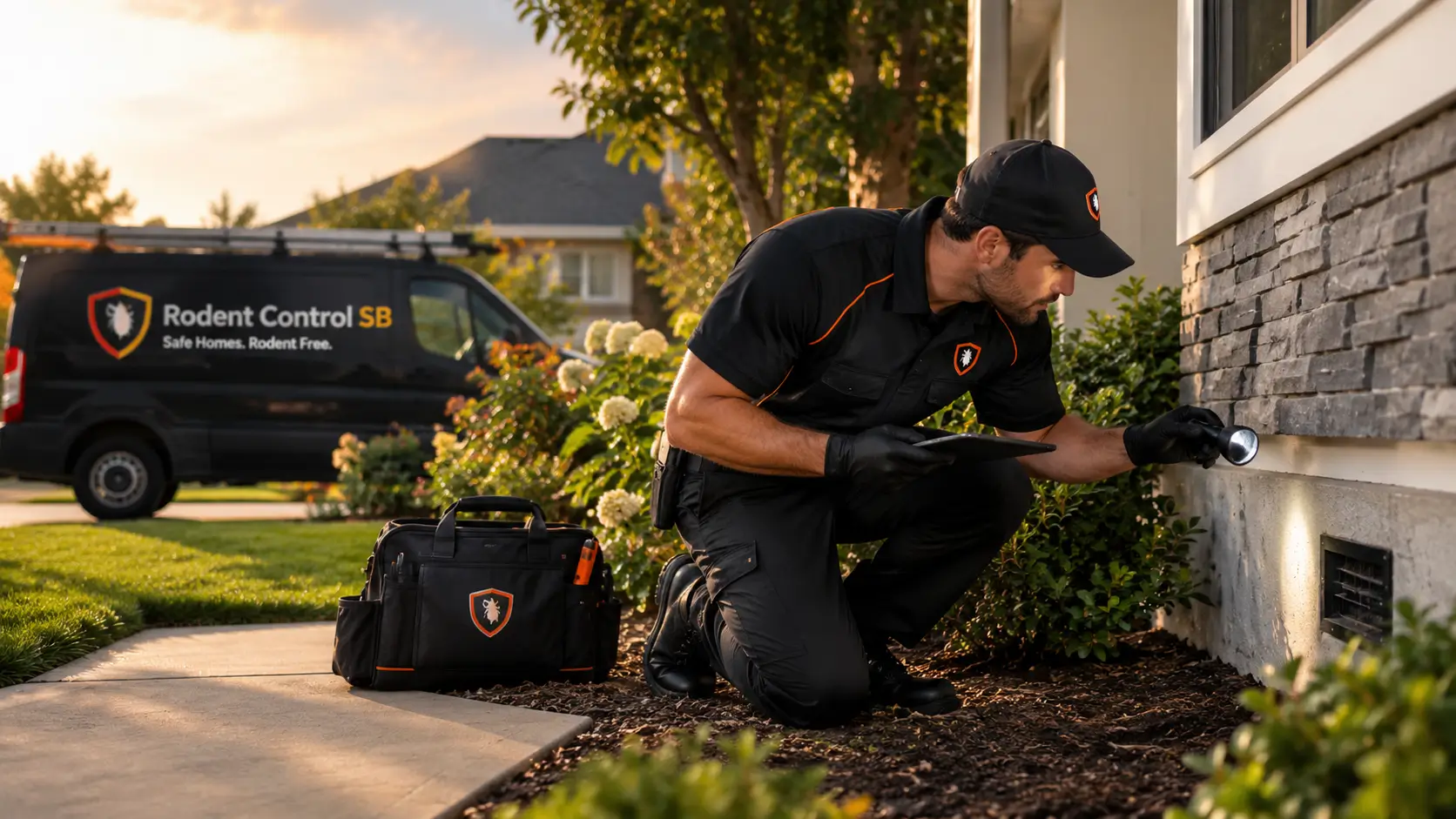
What Is Rodent Proofing?
Rodent proofing is a comprehensive, long-term approach to keeping your property free of rodents. While rodent exclusion focuses specifically on sealing structural entry points, proofing takes a broader view - addressing all the factors that attract rodents to a property and sustain their presence.
Effective rodent proofing combines three elements: structural sealing (exclusion), environmental management (reducing food, water, and shelter attractants), and ongoing monitoring (catching new vulnerabilities before they become problems).
In Santa Barbara's mild coastal climate, where rodent populations remain active year-round, proofing is especially important. Properties that rely solely on reactive treatment - addressing problems only after they occur - tend to experience recurring issues. Proactive proofing breaks this cycle.
The Three Pillars of Rodent Proofing
1. Structural Exclusion
The foundation of any proofing program is sealing the structural entry points that rodents use to access your building. This includes roofline gaps, vent screens, utility penetrations, foundation cracks, door seals, and construction joints. For detailed information about this process, visit our rodent exclusion page.
Without structural exclusion, environmental management alone won't prevent rodents from entering. Rodents are opportunistic - if a gap exists, they'll eventually find it.
2. Environmental Management
Rodents need food, water, and shelter. Reducing these attractants around your property makes it less appealing to rodents and reduces the pressure on structural barriers.
Key environmental factors include:
- Food sources - Outdoor pet food, birdseed spills, fallen fruit from trees, accessible garbage, compost piles, and garden produce all attract rodents. Securing or eliminating these sources significantly reduces rodent pressure.
- Vegetation management - Dense ground cover (especially ivy), overgrown shrubs touching the structure, tree branches overhanging the roof, and thick landscaping against exterior walls all provide harborage and access pathways. Maintaining a clear zone around the structure is important.
- Water sources - Leaking outdoor faucets, standing water in plant saucers, pet water bowls left outside, and poor drainage create water sources that sustain rodent populations.
- Shelter and harborage - Woodpiles against the house, stored materials in garages, cluttered storage areas, and debris piles all provide nesting sites. Reducing clutter and storing materials off the ground limits nesting opportunities.
- Garbage management - Keeping garbage in sealed containers with tight-fitting lids, cleaning bins regularly, and maintaining garbage storage areas reduces one of the most common rodent attractants.
3. Ongoing Monitoring
Buildings change over time. Settling creates new gaps, weather degrades seals, construction or landscaping projects introduce new vulnerabilities, and rodent populations shift. Periodic inspection catches these changes before they result in re-entry.
An annual inspection is appropriate for most properties. Properties with prior rodent history, those in high-pressure areas, or those surrounded by dense vegetation may benefit from more frequent monitoring.
Rodent Proofing Checklist
The following practices help maintain a rodent-resistant property. Many of these can be implemented by homeowners as part of regular property maintenance:
Exterior
- Trim tree branches at least 4-6 feet from the roofline
- Remove or thin ivy and dense ground cover near the structure
- Store firewood at least 20 feet from the building and elevated off the ground
- Pick up fallen fruit from trees promptly
- Keep garbage in sealed containers and clean bins periodically
- Eliminate standing water sources
- Bring pet food and water bowls inside at night
- Maintain a clear perimeter around the foundation (no vegetation touching the structure)
Interior
- Store food in sealed containers (glass, metal, or heavy plastic)
- Clean under and behind kitchen appliances periodically
- Don't leave pet food out overnight
- Reduce clutter in garages, attics, and storage areas
- Store items off the ground on shelving where possible
- Check under-sink areas for gaps around plumbing penetrations
Structural
- Inspect garage door seals and replace when worn
- Check exterior door sweeps annually
- Inspect attic and crawl space vent screens for damage
- Monitor for new gaps or cracks in the foundation
- Check dryer vent covers and bathroom exhaust vent terminations
- Schedule a professional inspection annually
For more prevention strategies, visit our resource on preventing rodent infestations.
Proofing After Treatment: The Critical Follow-Through
If you've recently had a rodent problem resolved - whether rats or mice - proofing is what prevents the problem from returning. The treatment addressed the existing population; proofing addresses the conditions that led to the infestation in the first place.
Properties that skip the proofing phase after treatment have a significantly higher rate of recurrence. Investing in proofing after treatment is investing in not needing treatment again.
Want to protect your property from rodent entry?
📞 Call (805) 429-3838 to Book Inspection